
Related Articles
Patrick Mukabi AKA “Panye” Biography (1969–2026): Legacy of a Kenyan Art Giant
Apr
Patrick Mukabi “Panye” (1969–2026): Legacy of a Kenyan Art Giant
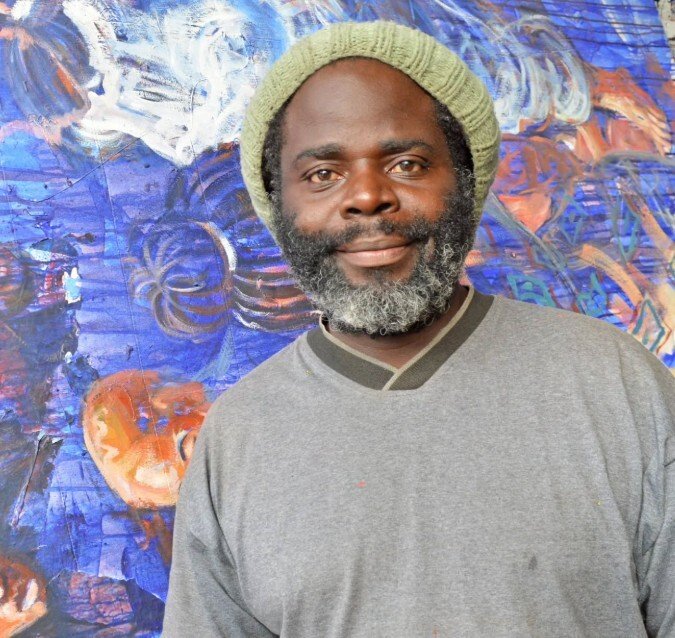
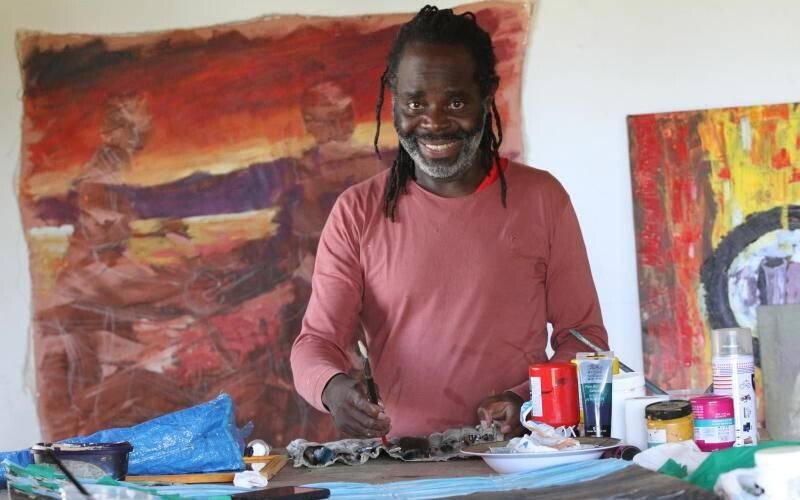
Patrick Mukabi, widely known as “Panye,” was one of Kenya’s most celebrated contemporary painters; a prolific artist, mentor, and cultural force whose work defined Nairobi’s visual identity for over three decades. Following his death in April 2026 at the age of 56, tributes from Kenyan media, artists, and the public have cemented his status as a “godfather” of modern Kenyan art and a champion of everyday African life.
Early Life and Artistic Journey
Born on October 9, 1969, in Nairobi, Mukabi grew up in a modest family connected to Kenya Railways. His early exposure to drawing, Catholic imagery, and urban life shaped his artistic instincts. He later studied graphic design and illustration before fully committing to painting; his true passion.
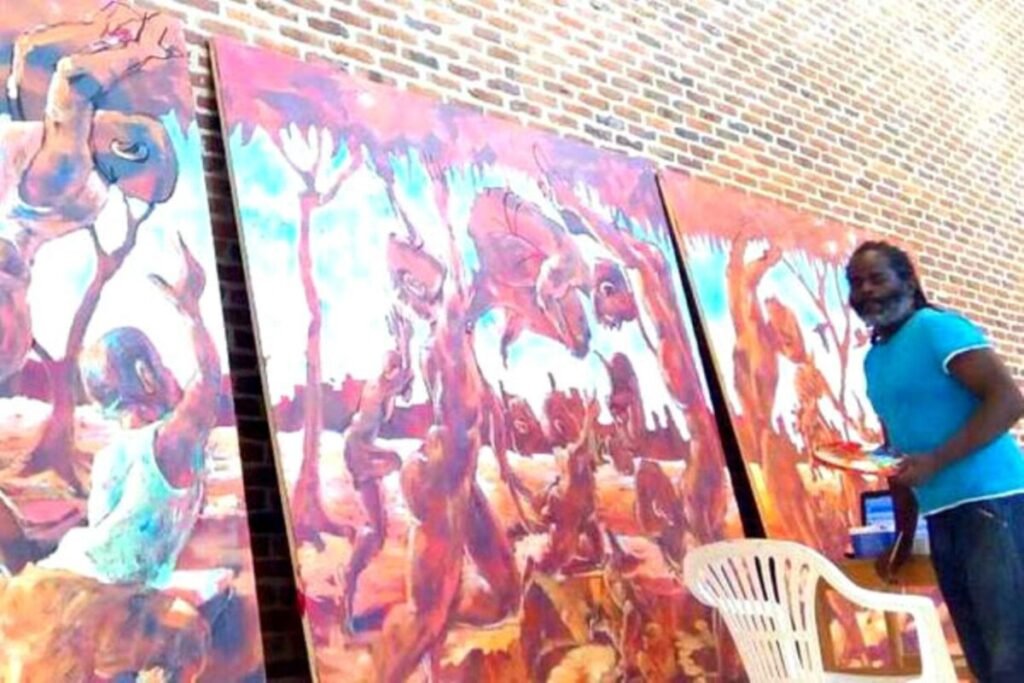
His breakthrough came in the 1990s when he began exhibiting his work publicly, eventually gaining recognition for his distinctive figurative style. Over time, Mukabi developed a signature approach using acrylics and charcoal, combining bold color, expressive lines, and layered textures.
Signature Style and Themes
Mukabi’s work focused heavily on ordinary Kenyan life, particularly women in domestic and informal economic spaces. His famous “Cover Girls” series celebrated fuller-bodied African women; challenging Western beauty standards and highlighting dignity, resilience, and everyday beauty.
He painted market scenes, café life, and urban interactions with warmth and vibrancy. His art was accessible, often displayed in public spaces like restaurants and airports, making him one of the most widely seen artists in Kenya; even among audiences unfamiliar with his name.
Mentorship and Influence
Beyond his paintings, Mukabi’s greatest legacy lies in mentorship. At his Dust Depo Studio near Nairobi’s Railway Museum, he nurtured generations of artists, offering free guidance, materials, and encouragement.
Many Kenyan artists today credit Mukabi as a foundational influence in their careers. He also taught children and appeared on television as “Uncle Supuu,” promoting art education nationwide.
Kenyan creatives widely described him as a father figure and generous teacher, whose studio was a safe space for experimentation and growth.
Final Years and Death
In his later years, Mukabi battled illness, including diabetes, which significantly affected his health. He passed away in April 2026 at Kenyatta National Hospital.
His death prompted an outpouring of grief across Kenya’s art community and beyond. According to reporting by Nation Africa, his passing “shut the curtains” on the career of one of Kenya’s most prolific visual artists.
Artists, institutions, and fans shared tributes describing him as:
- A “giant tree” in the Kenyan art scene
- A mentor who shaped countless careers
- A cultural icon whose work lives in everyday spaces
Community Support and Final Exhibitions
In the months leading up to his death, the Kenyan art community rallied around him. Fundraising exhibitions; such as the “Mali Safi” show at Banana Hill Art Gallery; were organized to support his medical care.
A benefit exhibition featuring dozens of artists further demonstrated the immense respect and gratitude he commanded within the creative community.
Legacy and Cultural Impact
Patrick Mukabi leaves behind a profound and enduring legacy:
- A vast body of work exhibited globally
- A redefinition of African figurative painting
- A generation of artists shaped by his mentorship
- A visual language that celebrates ordinary Kenyan life
His paintings; especially of vibrant market women; remain embedded in Kenya’s cultural landscape, from cafés to galleries.
More importantly, Mukabi democratized art. He believed creativity should be accessible, lived, and shared; not confined to elite spaces.
Conclusion
The story of Patrick Mukabi is not just that of a painter, but of a movement. His life bridged art and community, technique and humanity, mentorship and legacy.
Even in death, his influence continues; visible in the brushstrokes of young Kenyan artists, in the walls of Nairobi’s public spaces, and in the enduring message of his work: that everyday life is worthy of beauty, dignity, and artistic celebration.
